From the Moon to the Stars: The Story Behind our First Interstellar Expeditions
AN IMMERSIVE ARTICLE SET IN THE UNIVERSE OF DARK SANDS
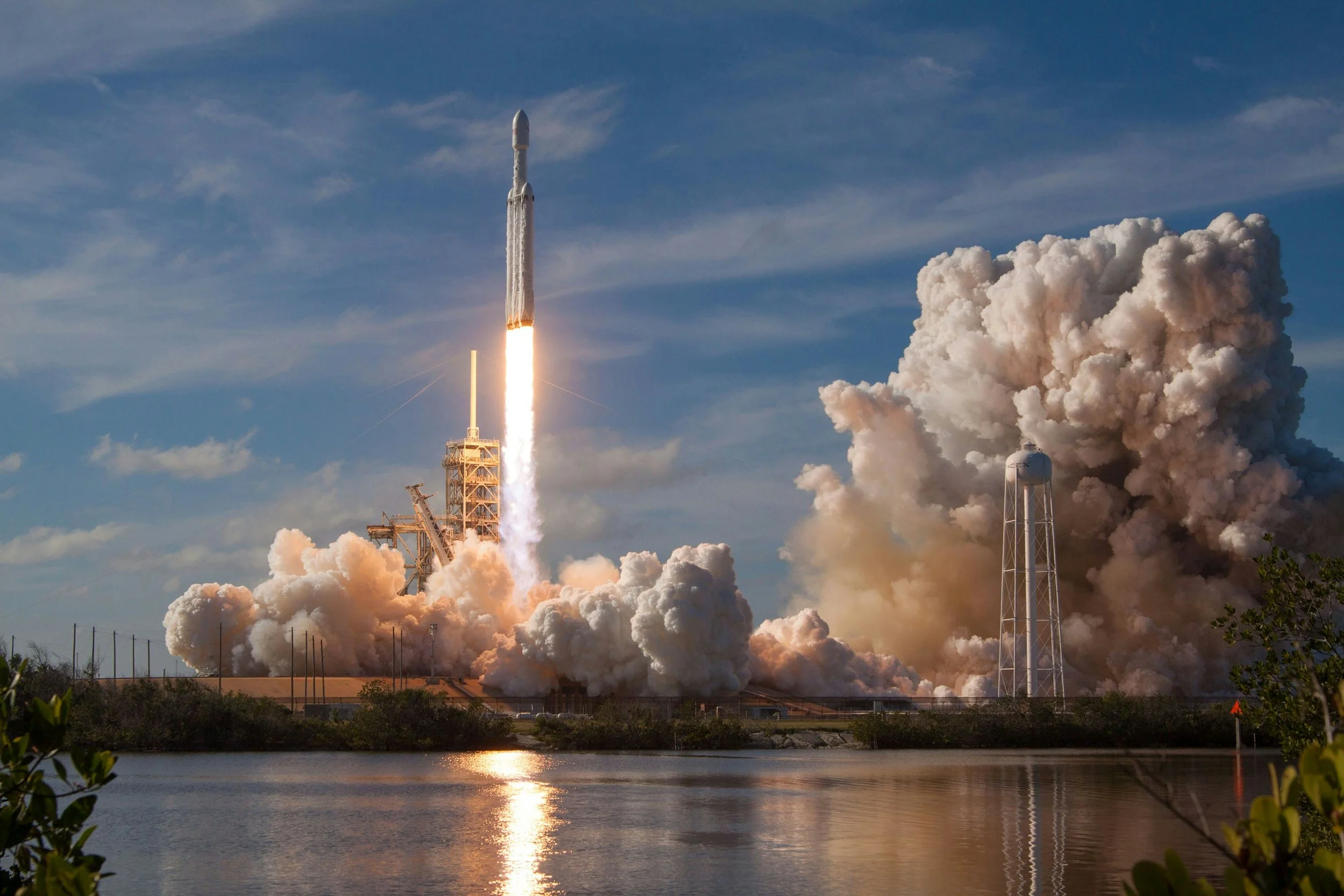
Humanity is no stranger to space exploration. Pictured: A primitive rocket design from the early 21st century.
By Cassidy Brunswell, World News First
On July 20th, 1969, humans landed on the moon for the first time. In 2196, we landed again—only this time, it was to stay.
Now, on March 3rd, 2220, we go one step further - into the stars.
Utilising novel sub-light transportation technology, four colony ships will depart Earth.
Their goal? To colonise and explore four ‘Goldilocks planets’, which experts deem as the “most likely in the entire galaxy to support life”.
Interstellar travel and colonisation have long-been the inevitable next steps for our species.
With Earth now well and truly back on track, it is time to harness humanity’s gift of global stewardship and reach much greater heights.
Engineered by the United Colonisation Initiative—the world’s largest unified scientific board—the Extraterrestrial Colonisation Project heralds a new ‘Age of Discovery’... one that hasn’t been experienced by humanity for over half a millennium.
Backed by years of research, intelligence and deep-space surveys, the board believes that humanity has found the strongest evidence possible of determining liveable planets.
The evidence was discovered using The Martellus Index—a revolutionary scientific research method.
UCI Director Lenza Prenderghast describes this evidence as being the strongest we’ll ever find in the galaxy.
“The Martellus Index is incredibly robust,” she said.
“It measures and analyzes countless factors; among them planetary size, orbital duration, solar distance, density, atmosphere composition, and the prevalence of liquid water.”
“All four of our selected planets are the only ones in the known universe to have recorded MI scores of over thirty.”
While Lenza did not clarify what a score of ‘over thirty’ actually means, her confidence was contagious enough to convince multiple corpo-nations to collaborate on the resourcing for this expedition.
These costs far outweigh those of any scientific endeavour in history.
“It is very exciting news,” Director Lenza said.
“Cahros, Antalus, Maelar and Heria could all provide fantastic new homes for humanity.”
Despite Lenza’s confidence, the project has its fair share of skeptics, including an ECP worker that helped to identify the four planets.
“Everything looks great when you reduce it to numbers and lines,” says Mai W*, the lead astrobiologist taking part in the expedition to Cahros.
“But the fact is, the occurrence of life is exceedingly rare… borderline miraculous.”
“There is a reason we are still yet to find it anywhere in the known universe. If it wasn’t for the additional long-term benefits of colonisation, its unlikely that these expeditions would’ve ever gotten off the ground.”
*Colonist surnames are not to be disclosed as per regulation 182.B - Confidentiality Act, 2205
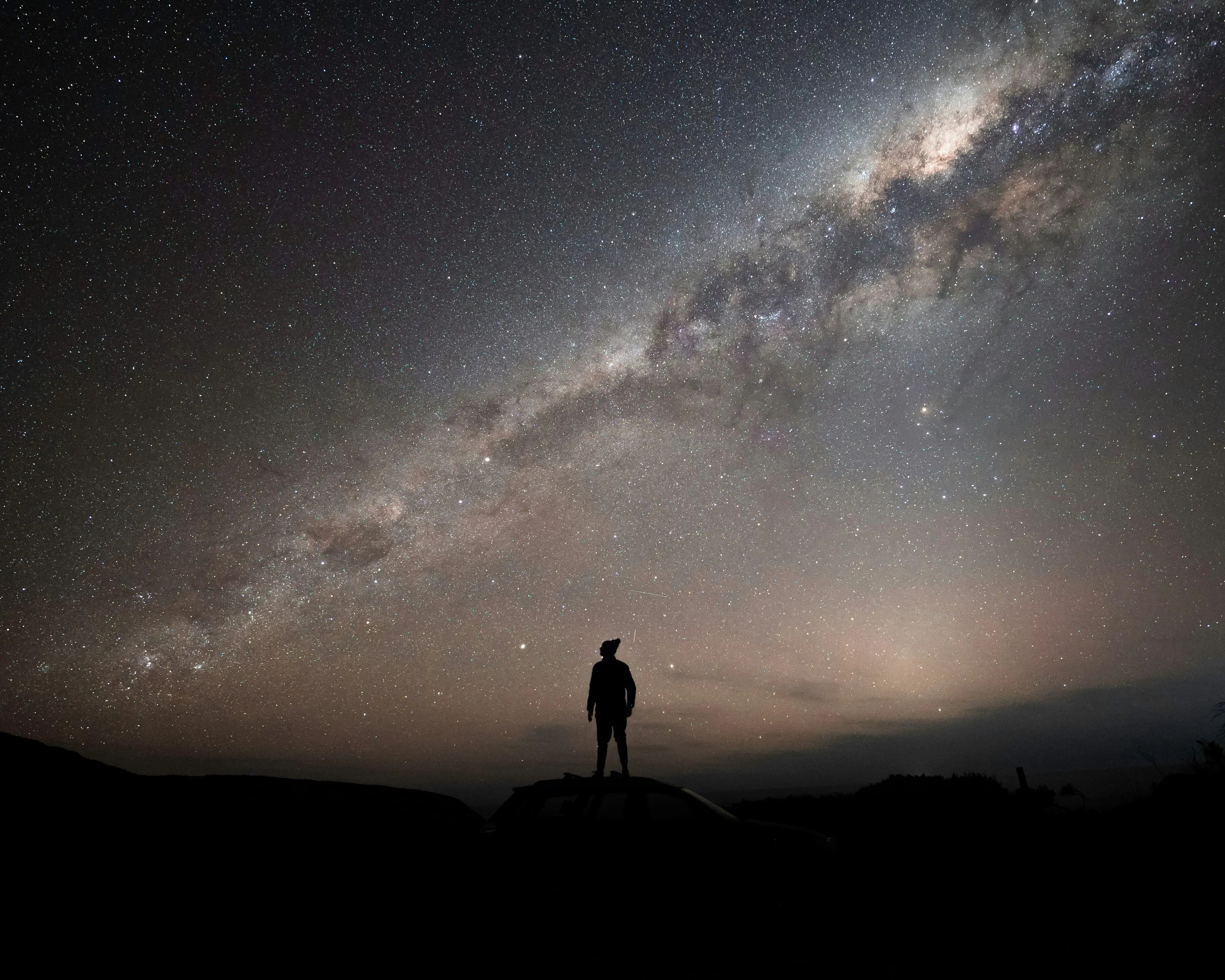
Since we first looked up at the sky, we’ve always dreamed of making a home among the stars.
One of the select few to be chosen for this daring leap into the final frontier is Tarlo V*.
A biologist by trade and one of the younger expeditionists, he has spent his life dreaming of adventure among the stars.
Tarlo told World News First that he felt both excited and overwhelmed.
“It’s been surreal, honestly,” he said.
“One moment you’re out in the desert, thinking that it would never be you—not in a million years… and the next, well, here we are.”
Tarlo believes this expedition holds significant potential for humanity’s future.
“To think we might be able to find life… words don’t do it justice.”
“The possibilities are endless.”
Setting aside the confidence of the UCI and the excitement of the expeditionists, some concerns remain.
These expeditions are equipped with the latest and greatest scientific and psychological facilities. But once the ships have landed… these brave souls will be truly alone.
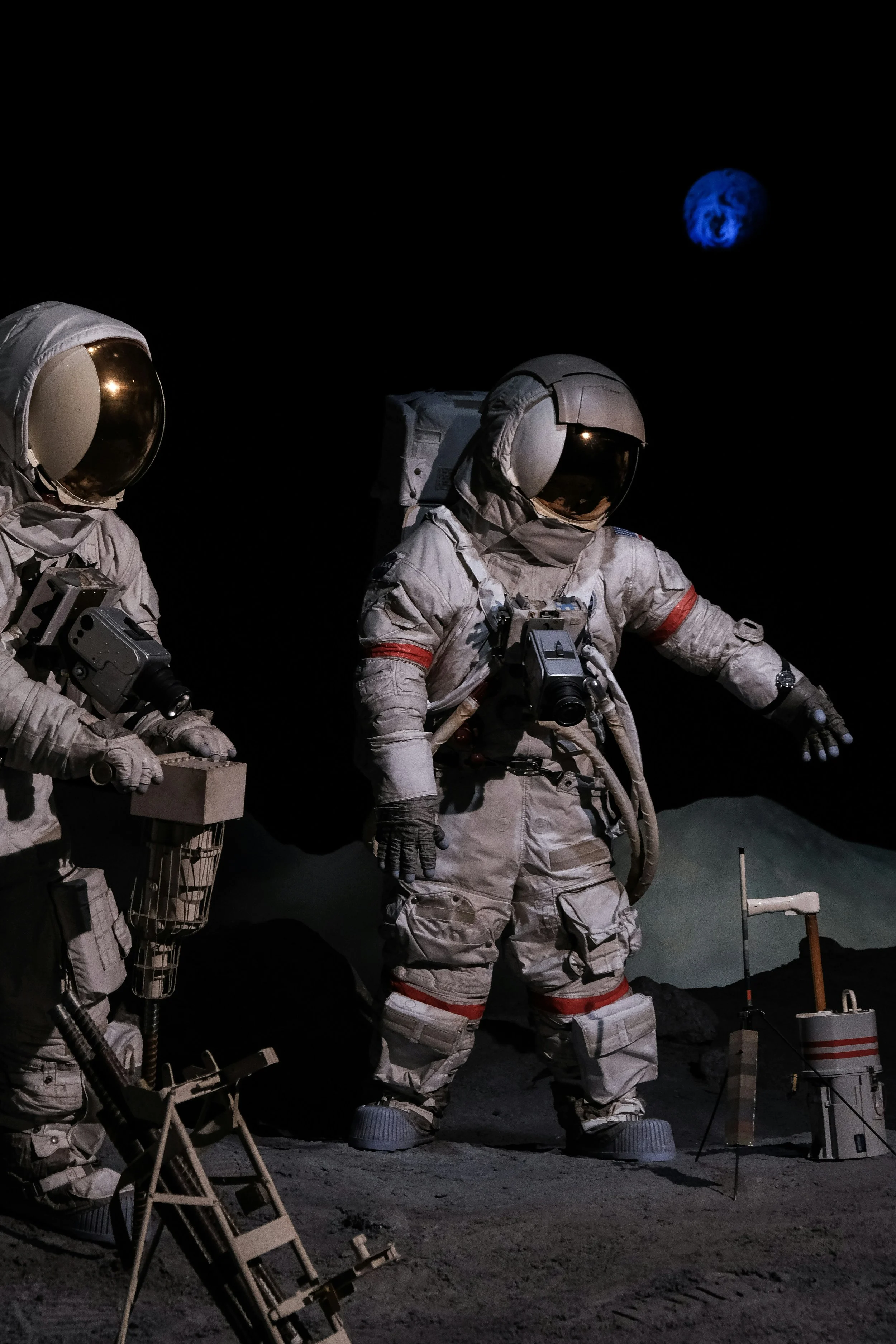
The UCI has hand-selected the best of the best for the expeditions ahead, using state of the art psychological measures such as the IAPFA.
Be it Spacer’s Fever, the passage of time, the effects of sub-light travel, or some unknown force of nature on the planets they mean to conquer, reinforcements will be years away.
When reporters asked about the potential dangers of humans going into the unknown, Lenza voiced certainty that the transitory period will be smooth.
“Our species has survived ice ages, volcanic eruptions, epidemics, and pandemics, and of course, The Last Great War,” she said.
“This is just the next great challenge.”
Lenza also told World News First that some details about the expedition's findings are not yet certain.
“The truth is, there’s simply no way of knowing what we will find out there,” she said.
“But the UCI expeditions are home to carefully-selected and highly-trained individuals - if anybody could make this work, it is them.”
“Every time humanity makes an innovation like this — be it the printing press, the airplane, the internet or space exploration — there have been detractors.”
“But with nothing ventured, there is nothing to be gained, and if not now, then when?”
“As the founder of the UCI once said, A posse ad est. Ad Aeterno.”
From possibility, to actuality. To Eternity.
Big shoutout to Cherie, who collaborated with me on this article from drafting through to publishing! Go give her a follow on @shewritesceruleanskies!
All images were taken from Unsplash.com at Beautiful Free Images & Pictures | Unsplash with thanks.
Want to see more? Follow me on instagram!
~With love, JSH <3